TL;DR
Judge an online dietitian on four things: a real dietetics qualification, a plan built around your food and medical history, a stated follow-up schedule, and transparent pricing. This guide covers the checklist, the honest online-versus-clinic trade-offs, and what to ask before you pay.
Choosing a dietitian in India is confusing — Instagram "nutritionists", app-based coaches and generic chart sellers all look the same from the outside. This guide is a buyer's checklist: what to verify, what to ignore, and which questions separate a clinical practitioner from a marketer.
Why Most Weight Loss Diets Fail in India
Most people who lose weight on a short-term diet regain it. The reasons are predictable, and almost none of them are about willpower:
- Generic diet charts — The same 1200-calorie plan for everyone, whatever their body or conditions
- Western templates — Keto and paleo sit awkwardly with Indian cooking and family dining
- No follow-up — A PDF chart with no accountability or adjustments
- Ignoring medical conditions — PCOS, thyroid, insulin resistance and fatty liver all change how weight moves
- Unsustainable restrictions — No rice, no roti, no ghee; these approaches rebound
What to Look for in a Weight Loss Dietitian
Use this as a checklist for any provider you are considering — including this one.
| What to check | A strong answer | What should make you pause |
|---|---|---|
| Credentials | BSc or MSc in Dietetics or Clinical Nutrition, named with the university | A weekend "nutrition coach" certificate, or a qualification nobody will name |
| Personalisation | Plan written after reviewing your reports, routine and budget | The same PDF chart everyone gets, with your name on top |
| Follow-up cadence | A stated schedule of weekly or fortnightly reviews, with the plan adjusted | One consultation, then silence until the next payment is due |
| Conditions and medication | Lab reports and current medicines requested before anything is written | No questions about thyroid, PCOS, diabetes or prescriptions |
| Food-culture fit | Works with the roti, rice, dal and regional dishes you already cook | Quinoa and imported bars in a house that eats neither |
| Tracking support | An app, portal or shared log for meals, weight and questions | Progress recalled from memory, with nothing written down |
| Pricing transparency | Fee, duration and inclusions in writing before you pay | Vague pricing, pressure to decide today, or compulsory supplements |
A Closer Look at Six Things Worth Getting Right
1. Credentials That Actually Matter in India
India has no single mandatory licence for nutrition practice the way it does for medicine. The words nutritionist, health coach and wellness expert are unregulated — anyone can print them on a profile. What carries weight is a BSc or MSc in Dietetics or Clinical Nutrition from a recognised university, ideally with hospital experience, plus a Registered Dietitian (RD) credential from the Indian Dietetic Association. Ask which degree, which university, which year.
2. Red Flags Worth Walking Away From
Some signals are worth treating as disqualifying, however good the marketing:
- Very low calorie targets set without medical supervision or any lab review
- Detox teas, juice cleanses or "fat burner" supplements sold with the plan
- A fixed number of kilos promised by a fixed date
- One generic chart handed to everyone, whatever their condition
- No questions about your medication or your doctor's advice
- Refusal to put fees in writing, or pressure to pay immediately
3. What a Good First Consultation Covers
A first session should feel like an intake, not a sales call. Expect questions on weight history and previous diets; diagnosed conditions, medicines and supplements; recent lab reports; work hours, sleep and travel; who cooks at home; allergies, preferences and budget. If it lasts ten minutes and ends with a PDF, nothing was gathered to personalise from.
4. How Progress Should Be Tracked
Weight is one signal, not the only one. A sound review looks at weight taken at the same time on the same scale, waist circumference every few weeks, energy, sleep and digestion, and adherence — how many days you actually followed the plan. Fluid shifts and the menstrual cycle move the scale by a kilo or two within days, so reacting to every daily reading adds anxiety, not information.
5. What Realistic Results Look Like
Gradual change is the change that tends to stay. Clinical guidance points to a slow, steady rate of loss, and progress is rarely a straight line — plateaus of two to three weeks are normal, especially with PCOS, thyroid conditions or insulin resistance. Pace depends on age, medication, medical history, sleep, stress and consistency, which is why no honest dietitian promises a number by a date.
6. Questions to Ask Before You Pay
Ask these on the enquiry call: What is your qualification, and where did you study? Who writes the plan — you, or an assistant? How often will we review, and is that included? What happens if the plan does not suit my routine? Do you coordinate with my doctor if I am on medication? Are supplements optional, and what is the total cost?
Online vs In-Person Consultation — Which is Better?
Neither format wins outright. Most weight-management work is a conversation about reports, routine and food, which travels well over video. Online falls short on anything that must be measured in a room:
| Your situation | Better suited to | Why |
|---|---|---|
| Routine weight management, or PCOS, thyroid and diabetes follow-up | Online | The work is reviewing logs and reports and adjusting portions |
| You live outside a metro, travel often, or work shifts | Online | Choice is not limited to the nearest clinic, and sessions fit your hours |
| You want body composition measured properly | In-clinic | Calibrated scales, calipers and tape readings are more reliable taken by a trained person |
| You are elderly, or uneasy with video calls | In-clinic | Comprehension matters more than convenience |
| You are managing a complex or unstable condition | In-clinic, with your doctor | Post-surgical recovery, disordered eating and advanced kidney or liver disease need in-person care |
| Your internet connection is unreliable | In-clinic | A call that drops midway through a report review helps nobody |
If online suits you, the deciding factor is not the format — it is whether the dietitian offers structured follow-ups rather than one consultation and a file. Written check-ins, somewhere to log meals and a scheduled review are what make remote care work.
How Much Does a Good Dietitian Cost in India?
| Plan | Duration | Typical price range |
|---|---|---|
| First Consultation | 60 minutes | ₹500 – ₹2,000 |
| Weekly Plan | 7 days | ₹1,000 – ₹3,000 |
| Monthly Plan | 4 weeks + follow-ups | ₹2,500 – ₹5,000 |
| 3-Month Programme | 12 weeks + weekly follow-ups | ₹6,000 – ₹15,000 |
Price alone tells you little. A ₹1,000 plan with four scheduled reviews is better value than a ₹6,000 plan you never hear about again. You are buying the dietitian's time across the whole period, so ask how many reviews are included.
Red flag: premium fees for what turns out to be a generic chart, or a package where supplements are compulsory. For reference, the first consultation at Ask Himani is ₹599 for 60 minutes, stated upfront.
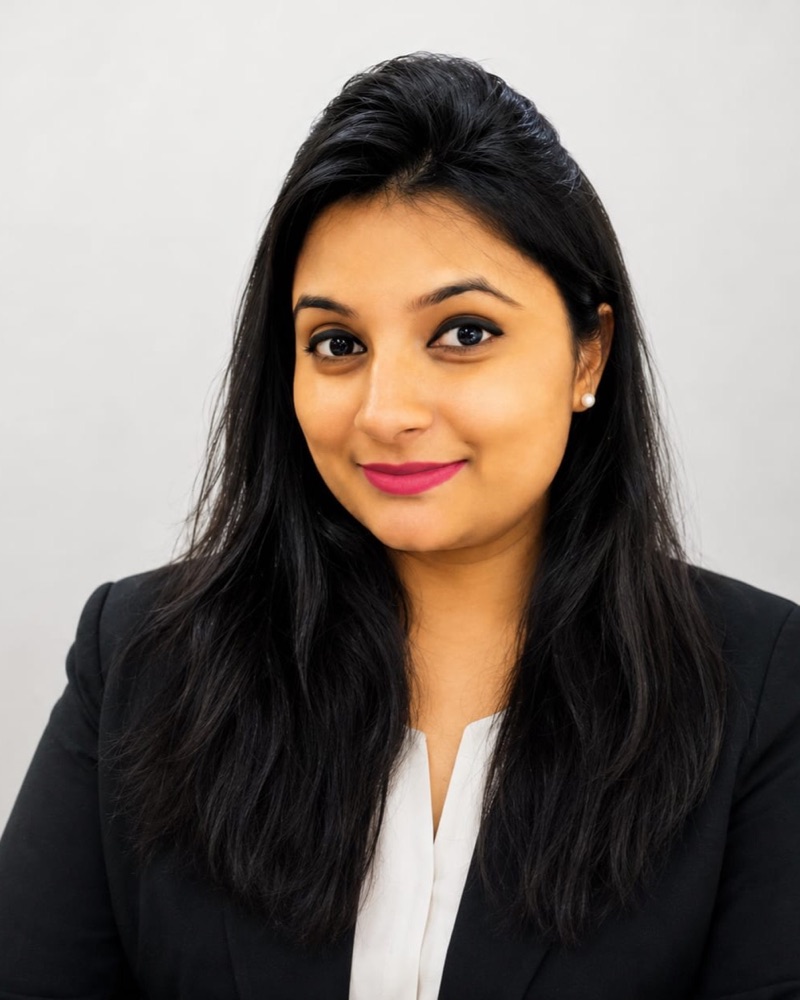
How Dt. Himani Sharma's Weight Loss Program Works
For transparency, here is how this practice applies the same checklist:
- Initial Assessment — 60-minute video consultation covering medical history, blood reports, lifestyle, food preferences and goals
- Custom Meal Plan — Built from foods you already eat at home — dal, roti, sabzi, rice — with portions and timing adjusted
- Weekly Follow-ups — Check-ins to track progress and adjust the plan
- Condition Management — PCOS, thyroid, diabetes or fatty liver are addressed alongside weight, not separately
- No Supplements — Food-based only. No protein powders, fat burners or meal replacements
Track record: 5,000+ patients across 14+ years of clinical practice, rated 4.9/5 on Google. As with any dietitian, results depend on medical history, medication and consistency — which is why no target is promised upfront.
Get Your Personalised Weight-Loss Diet Plan
Book your ₹599 consultation with Dt. Himani Sharma — a 60-minute video call, a review of your reports, and an Indian-food plan built around your routine. Structured plans from ₹3,299 for 4 weeks.
Book ₹599 Consultation on WhatsAppFrequently Asked Questions
How do I check if an online dietitian is actually qualified in India?
Ask for the specific degree, the university and the year — a BSc or MSc in Dietetics, Food Science and Nutrition, or Clinical Nutrition. A Registered Dietitian (RD) credential from the Indian Dietetic Association is a further check. Titles like nutritionist, health coach or wellness expert are not regulated in India, so the qualification behind the title is what matters.
Is an online dietitian consultation as effective as visiting a clinic?
For routine weight management, PCOS, thyroid and diabetes follow-up, online works well, because most of the work is reviewing logs and reports and adjusting the plan. In-person is genuinely better when body composition needs calibrated equipment, when video calls are difficult for the patient, or when a complex condition needs hands-on clinical oversight.
How much should an online dietitian cost in India?
A first consultation in India commonly falls between ₹500 and ₹2,000, and month-long programmes with follow-ups typically range from ₹2,500 to ₹5,000. Dt. Himani Sharma's first consultation is ₹599 for 60 minutes. What matters more than the number is whether the fee, the duration and the follow-ups included are stated before you pay.
How long before I should expect to see progress?
Many people notice changes in energy, digestion and appetite in the first two to three weeks, before the scale moves much. Weight change is rarely linear, and plateaus of two to three weeks are normal, particularly with PCOS, thyroid conditions or insulin resistance. Results vary, so no dietitian can promise a fixed number by a fixed date.
What should a dietitian ask about before giving me a diet plan?
A thorough first consultation covers weight history and previous diets, diagnosed conditions, current medications and supplements, recent lab reports, work and sleep routine, who cooks at home, food preferences, allergies and budget. If none of this is asked, the plan that follows cannot be personalised, because nothing was gathered to personalise it with.
Book Your Consultation
If the checklist above points you here, consultations are online, anywhere in India:
- First consultation: ₹599 (60 minutes, online)
- WhatsApp: +91-9220970526
- Website: askhimani.com